For the Pasta Sheets:
Mound the flour and semolina on a board (or in a bowl). Make a well in the center, add the eggs, salt, olive oil, and water, and begin incorporating the flour until a shaggy dough forms.
Bring the dough together with your hands and knead for 7–10 minutes, until smooth, elastic, and just slightly tacky. If the dough seems dry, spritz it lightly with water and keep kneading. Add a dusting of flour only if it’s too sticky.
Wrap the dough tightly in cling wrap and let it rest for 30 minutes at room temperature.
Cut the dough into pieces. Working with one at a time, roll it through your pasta machine, starting on the widest setting. Fold the sheet in thirds the first 2 passes on the widest setting to build structure, then continue working down to the second-to-last setting.
Trim sheets to fit your baking dish.
Bring a large pot of salted water (it should taste like broth) to a boil. Boil the sheets for about 2 minutes, then lay them flat on clean kitchen towels to remove excess moisture.
For the Bolognese:
Add a drizzle of neutral oil to a large heavy-bottomed pot over medium heat. Add the diced pancetta and cook until the fat has rendered and the pancetta is lightly golden.
Meanwhile, pulse the celery, carrot, and onion in a food processor until finely minced. Add the mixture to the pot with the pancetta and cook, stirring often, until softened and fragrant, about 8–10 minutes. Season the vegetables with kosher salt.
Lightly season the ground meats with kosher salt, then add them to the pot. Cook over medium-high heat, breaking up the meat with a wooden spoon, until evenly browned and most of the moisture has cooked off.
Pour in the white wine, scraping up any browned bits from the bottom of the pot, and cook until nearly all the liquid has reduced.
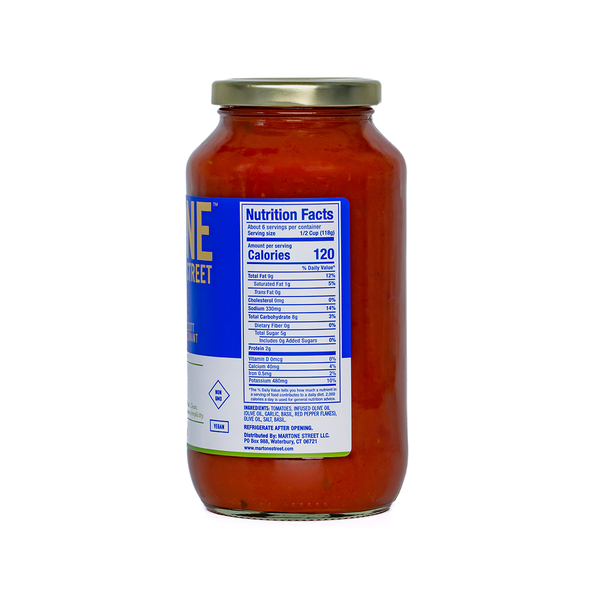
Stir in the chicken stock and cook until slightly reduced, then add the pomodoro sauce. Stir to combine. Reduce the heat to low and simmer gently, uncovered, for about 45 minutes, stirring occasionally, until thickened.
Taste and adjust seasoning with salt as needed.
For the Fontina & Parmigiano Béchamel:
In a small saucepan, warm the milk over low heat.
In a medium saucepan, melt the butter over medium heat. Once melted and foamy, whisk in the flour. Cook, whisking constantly, for about 1–2 minutes to eliminate the raw flour taste.
Slowly pour the warm milk into the butter and flour mixture, whisking constantly to avoid lumps. Continue cooking and whisking until the sauce thickens and coats the back of a spoon, 6–8 minutes.
Add the kosher salt, black pepper, and a pinch of nutmeg.
Remove from heat and whisk in the fontina and Parmigiano until melted and silky. Taste and adjust seasoning if needed.
Lasagna Assembly:
Heat the oven to 375°F (190°C). Lightly oil your baking dish.For the base layer, spread a thin layer of béchamel over the bottom of the dish, then add a layer of bolognese. Top with a sheet of pasta.Continue layering in this order - béchamel, bolognese, Parmigiano, pasta - until you’ve used all the components.End with a final layer of bolognese, a layer of béchamel, and a generous sprinkling of Parmigiano on top.Cover loosely with foil and bake for 25–30 minutes, then uncover and bake another 10–15 minutes, until golden, puffy, and bubbling around the edges.Let the lasagna rest at least 15–20 minutes before slicing, so the layers set, and the sauce thickens slightly.